
Will Thomas
Design at birdie had lost its confidence and clarity. Here’s how I got it back.
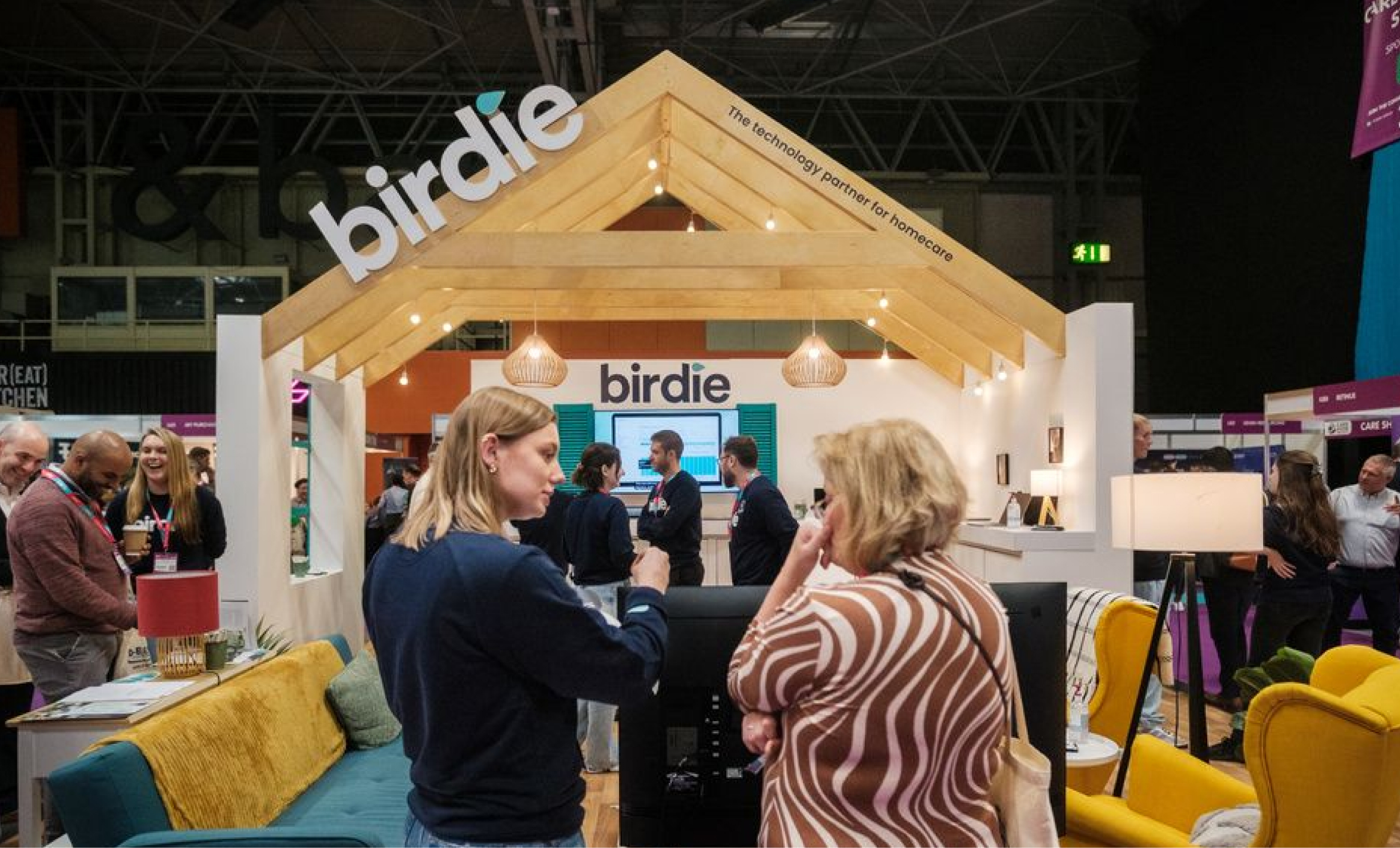
Birdie builds software for home care agencies, helping them manage everything from rostering and invoicing to care planning and compliance. Their mission is rooted in dignity: Empowering older adults to remain in their homes for as long as possible.
When I arrived as Head of Product Design, the design team was in a fragile state. They had recently lost their lead. Designers were siloed, spread thin across different product areas, and lacked the time and permission to explore and deliver their best work. There was no shared practice. No principles. And, across the wider company, little understanding of what design could bring.
Task
- Rebuild trust within the design team.
- Establish a consistent, high-quality design practice.
- Develop a design strategy that supported Birdie’s business goals.
- Advocate for design across the organisation.
- Model healthy, effective collaboration between design, product, and engineering.
This wasn’t about quick wins. It was about changing how people thought, worked, and valued design.
Approach & Actions
1. Listening First
I gave every designer an hour of my time each week. No agenda. Just space, for feedback, concerns, aspirations. This built trust, created shared accountability, and surfaced the deeper issues we needed to tackle.
2. Establishing Design Principles
Together, we wrote our core principles, tools to guide judgment, align thinking, and define what good looked like:
- Give Seconds Back: Save time for carers so they can spend more time with the people they support.
- Fix Causes, Not Symptoms: Prioritise root causes over duct-tape solutions.
- Do No Harm: Especially in clinical contexts, balance speed with safety.
3. Investing in Quality Foundations
We reinvested in the design system and baked in accessibility from the start. These weren’t just technical improvements, they were strategic levers. Accessible software expanded our potential customers (including the NHS) and strengthened our ethical stance.
4. Building Influence Beyond Design
I worked with other heads of department to foster a culture of experimentation and learning. Design started to lead through making. We created opportunities to share work at company-wide meetings, using these moments to tell stories, not just about what we built, but who we built it for.
5. Creating Systems of Support
Getting engineers to prioritise design system work was hard. So I created guilds, floating squads of designers, engineers, and PMs passionate about design quality. These guilds made governance decisions, mentored each other, and became vehicles for cross-functional leadership.
We embedded accessibility targets into broader squad incentives like performance and uptime. This integrated accessibility into the product culture, not as a compliance task, but as a shared standard of care.
Challenges & Learnings
Design systems are change management.
The hardest part wasn’t technical, it was about creating shared ownership. The guilds became not just delivery mechanisms, but culture carriers.
Vulnerability is a leadership tool.
By being open about my own struggles, I gave others permission to be real. This helped surface unspoken tensions and created the conditions for psychological safety. Design is emotional work. Leading it requires emotional presence.
Strategy isn’t always a slide deck.
It’s also the quiet, consistent work of creating alignment, through language, through rituals, through demonstrating what good looks like over and over again.
Impact
- The design team doubled in size.
- We achieved one of the highest eNPS scores across the company.
- Three promotions took place within the team under my leadership.
- The design system was actively used, maintained, and evolving—with contributions from across disciplines.
- We audited the product for accessibility, published a public statement, and began a long-term improvement program
- Most importantly, designers shifted from reactive delivery to principle-led, strategic design. They had the confidence, and cultural support, to challenge assumptions and advocate for quality.
Reflection
This was more than a project. It was a transformation, of mindset, of culture, of what design meant at Birdie.
The work taught me that great design orgs aren’t just well-resourced or talented. They’re principled, supported, and emotionally safe. They make space to think. They listen. They lead through care.
And for me, that’s what Birdie was always about.
Rebuilding a fragmented design team into a principled, empowered practice that led with care, fostered cross-functional trust, and redefined the role of design at Birdie.